
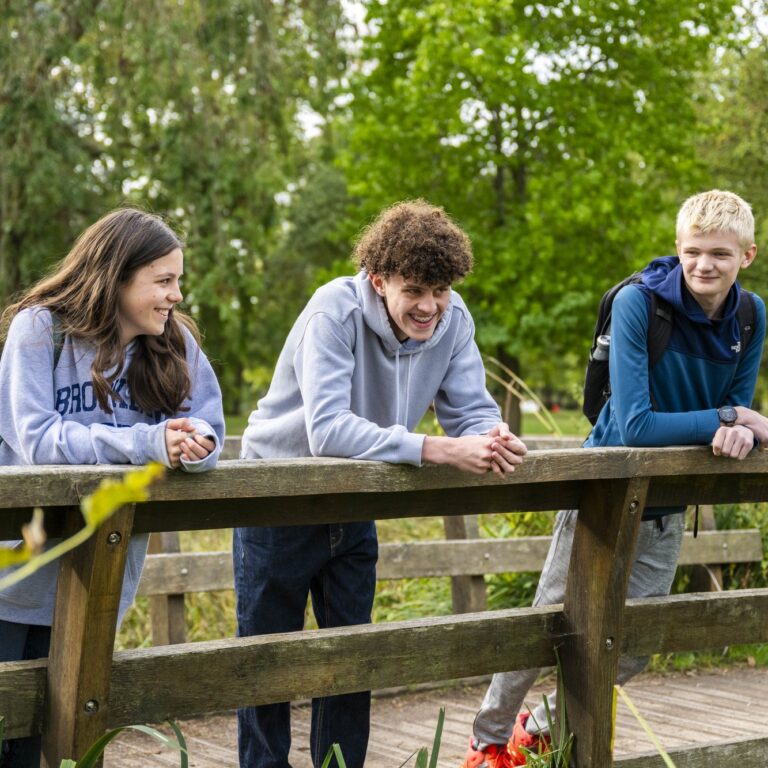

“We do not learn from experience… we learn from reflecting on experience.” — John Dewey

At Ealing Independent College, Character Education is not an abstract ideal but a lived, daily practice. This half term, our focus is Reflection – a deliberate and structured process through which students evaluate their experiences, recognise their strengths, and identify precise areas for development.
Following the completion of Mock Examinations, the entire college community is engaged in meaningful reflection. These assessments are not simply a measure of attainment; rather, they act as diagnostic tools, allowing students to understand clearly where they are and, importantly, what they need to do next. For our Year 11 and Year 13 students, this process carries particular weight. With final examinations approaching, the ability to reflect with honesty and act with purpose becomes essential. It is this combination of awareness and action that underpins genuine academic progress.
“Reflection turns experience into insight, and insight into improvement.”
From Reflection to Action: The Pathway to Progress
Reflection, however, is only the beginning. Once students have identified areas for growth, the next step is to respond with intention. This is where effective revision habits come into play. Students are encouraged to engage actively with their learning – testing themselves regularly through active recall, revisiting material over time through spaced repetition, and interleaving topics to deepen understanding. Practising exam questions under timed conditions helps to build confidence and familiarity, while combining visual and written methods through dual coding can strengthen retention. Asking thoughtful questions – why something is the case, or how ideas connect – further develops depth of understanding.
Alongside these strategies, one of the most valuable sources of support remains the teacher. Subject specialists bring clarity, experience, and precision, helping students to address misconceptions and refine their approach. For this reason, we strongly encourage students to remain within the structured environment of the college for as long as possible. Within college, there is a rhythm and focus that is difficult to replicate elsewhere. Students benefit from immediate access to guidance, a purposeful atmosphere, and the opportunity to resolve uncertainties quickly rather than allowing them to become barriers to progress. Online appointments can also be arranged, ensuring that support remains accessible and consistent.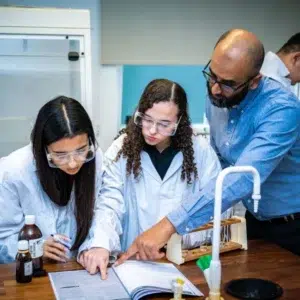
“Knowing what to improve is powerful; acting on it is transformative.”
A Structured Approach to Reflection
For students preparing for GCSEs, reflection is most effective when it is methodical and purposeful. It begins with a careful review of each examination paper, looking beyond marks to understand patterns in performance. Students consider whether errors stemmed from gaps in knowledge, difficulties in applying that knowledge, or issues with exam technique such as timing or interpreting questions. From this, clear and specific targets can be set. Revision strategies are then chosen deliberately to address these areas, supported by regular dialogue with teachers who can provide model answers and precise feedback. Improvement is not left to chance; it is built through focused practice and ongoing review, allowing students to track their progress and refine their approach as needed.
For A-Level students, the process is similar in structure but deeper in nature. Reflection moves beyond surface performance to consider the quality of thinking – how effectively ideas are analysed, how well arguments are constructed, and how convincingly evaluation is presented. Students are encouraged to think synoptically, recognising links across topics and papers, and to engage in more advanced diagnostic reflection. Targets become increasingly nuanced, often centred on developing academic judgement and sophistication in written responses. Regular academic conversations with subject specialists play a key role here, helping students to sharpen their thinking and approach their subjects with greater independence and confidence.
“Excellence is achieved when reflection becomes habit, not event.”
Reflection Beyond Examination Years
Reflection is not reserved for those at the end of their courses. It is a discipline that benefits every member of our community, from Year 9 through to senior leadership. For students in Years 9, 10 and 12, the Summer Term offers a valuable moment to pause and look both backwards and forwards. By considering their study habits, their engagement in lessons, and their consistency over time, students can begin to make small but meaningful adjustments that will shape their success in the year ahead.

This might involve establishing more effective routines, addressing gaps in understanding before they widen, or exploring different ways of learning to find what works best for them. Seeking feedback more regularly and developing greater independence in their studies are also key areas of growth. For Year 12 students in particular, this period is crucial preparation for the demands of Year 13, where expectations increase and future pathways begin to take clearer shape.
“The habit of reflection is the foundation of lifelong learning.”
Supporting Reflection at Home
For parents, your role in this process is both important and impactful. Creating space for open and supportive conversations about your child’s progress helps to normalise reflection as something positive rather than something to be avoided. Encouraging a focus on effort, strategies, and improvement – rather than outcomes alone – can build resilience and motivation. Supporting your child in maintaining structure, whether through regular attendance at college or consistent routines at home, further reinforces the habits that lead to success.
At Ealing Independent College, we provide the structure, expertise, and environment necessary for students to thrive. When this is complemented by thoughtful support at home, students are placed in the strongest possible position to succeed.
In cultivating reflection, we are not simply preparing students for examinations – we are equipping them with a lifelong skill: the ability to evaluate, adapt, and continually improve. This is the essence of Character Education, and it remains at the heart of all we do at Ealing Independent College.
Co-Principals
James and Laura