

Exam season can be a stressful time for GCSE and A-Level students, and it can be a worrying time for parents too. At this point in the year, many young people are trying to manage revision, coursework deadlines, practical assessments, future plans and the pressure of wanting to do well. A little pressure can sometimes help students to focus, but too much can affect their confidence, sleep, mood and general wellbeing. As the NHS notes, “tests and exams can be a challenging part of school life” for both young people and their families, but there are practical ways to help make this period feel more manageable.

For many students, exam pressure is not just about sitting the exam itself. It can be about fear of failure, not wanting to disappoint others, comparing themselves with friends, worrying about university or sixth form places, or feeling that their whole future depends on a few papers. YoungMinds explains that exam time can bring up “feelings of anxiety, stress, self-doubt, and fear for the future.” Some students may talk openly about this, while others may show it through headaches, stomach aches, tiredness, irritability, changes in appetite, poor sleep or becoming more withdrawn. Mind reminds us that “exams can come with a lot of pressure,” and every young person will respond to that pressure differently.
Parents can make a real difference by helping home feel calm, steady and supportive. One of the most useful things you can do is listen first, rather than immediately trying to fix the problem. A simple question such as, “What would help you most this week?” can give your child a sense of control. It can also help to acknowledge how they are feeling: “I can see this feels like a lot” or “We are proud of how hard you are trying” can be far more reassuring than repeated reminders to revise. YoungMinds encourages parents to let young people talk about their worries and to reassure them that their feelings are valid.
Practical help is also important. Students often feel better when revision is broken down into smaller, more manageable tasks. You might help your child create a realistic revision timetable that includes short study sessions, breaks, meals, exercise and sleep. Try to avoid plans that look perfect on paper but are impossible to maintain, as these can quickly become another source of stress. Ofqual’s guidance states that “one of the most effective ways to build confidence” is to structure revision, especially because getting started is often the hardest part. Parents can help by making sure there is a quiet space to work, checking that students have the resources they need, helping them find past papers, or offering to test key terms and definitions. However, support works best when it feels encouraging rather than controlling. A calm “How can I help?” is usually more effective than “Have you done enough revision?”
Healthy routines can make a big difference during exam periods. Sleep, food, hydration and movement all affect concentration and emotional resilience. The NHS states that “good sleep improves thinking and concentration” and that most teenagers need around eight to ten hours of sleep each night. Late-night cramming may feel productive, but it often leaves students more anxious and less focused the next day. Encouraging regular meals, water, time away from screens and some gentle exercise can help students feel more settled. Even a short walk, a break outside, or half an hour doing something unrelated to exams can help them reset.

It is also important to keep exams in perspective. GCSEs and A-Levels matter, but they do not define a young person’s worth, character or future success. The NHS advises parents to “listen to your child, give them support and avoid criticism,” particularly because some young people feel that family expectations add to the pressure. After each exam, try not to carry out a detailed post-mortem of every question. Instead, help your child move forward by asking, “What do you need now?” or “How can we help you prepare for the next one?” Sometimes the best support is a meal, a cup of tea, a quiet evening, or a reminder that one difficult paper does not undo all their hard work.
There may also be times when a young person needs extra help. If your child’s anxiety or low mood is severe, lasts for a long time, or starts to affect their daily life, it is important to speak to the school or seek advice from a GP. Warning signs might include ongoing sleep problems, regular panic, withdrawal, loss of appetite, frequent tearfulness, hopelessness or finding it very difficult to attend school. Asking for help early is not a sign that anyone has failed. It is a sensible and caring step that can make the exam period safer and more manageable.
At Ealing Independent College, we know that exam time can feel intense, but students do not have to manage it alone. Subject teachers, tutors and the pastoral team are here to offer academic guidance, revision advice, wellbeing support and regular check-ins where needed. We encourage parents to contact the College if they are worried about their child’s stress levels, revision habits or general wellbeing. Early communication helps us work together and put the right support in place. Exams are important, but they are temporary. With calm routines, open conversations and support from both home and school, students can get through this period with greater confidence, resilience and perspective.
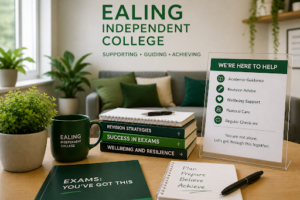
Suggested reading for parents
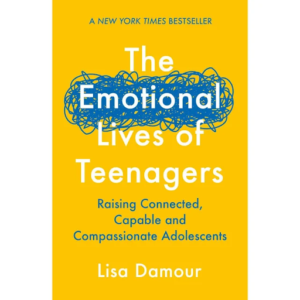
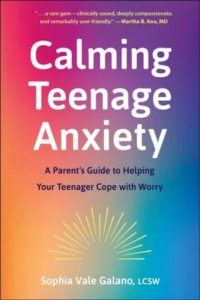
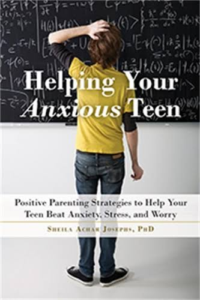
|
The Emotional Lives of Teenagers by Lisa Damour is a helpful book for parents who want to understand teenage emotions, stress and communication more deeply. It is not only about exams, but it is very relevant for parents supporting young people through pressure, uncertainty and emotional ups and downs. Calming Teenage Anxiety is useful for parents whose child is showing signs of worry, overthinking or exam-related anxiety. It focuses on helping teenagers cope with worry in a practical and supportive way. Helping Your Anxious Teen offers positive parenting strategies for supporting teenagers with anxiety, stress and worry. This may be particularly useful where exam pressure is affecting sleep, motivation, confidence or family relationships. |